
The machinery
Start with the equipment on board. Its lubrication schedule gives the application and grade. The maker and model help identify any further requirements.



Based in Beveren, Belgium, EUROPE LUBOIL specialises in marine lubricant supply for European port calls. We bring the machinery requirement and the vessel’s schedule together in one quotation.
Our approach
A useful quotation brings together the engineer’s specification, the buyer’s order and the vessel’s time in port.
Start with the equipment on board. Its lubrication schedule gives the application and grade. The maker and model help identify any further requirements.

Specify the product, pack size and quantity. When the machinery requires OEM approval, ask for documentation covering the exact product and grade.
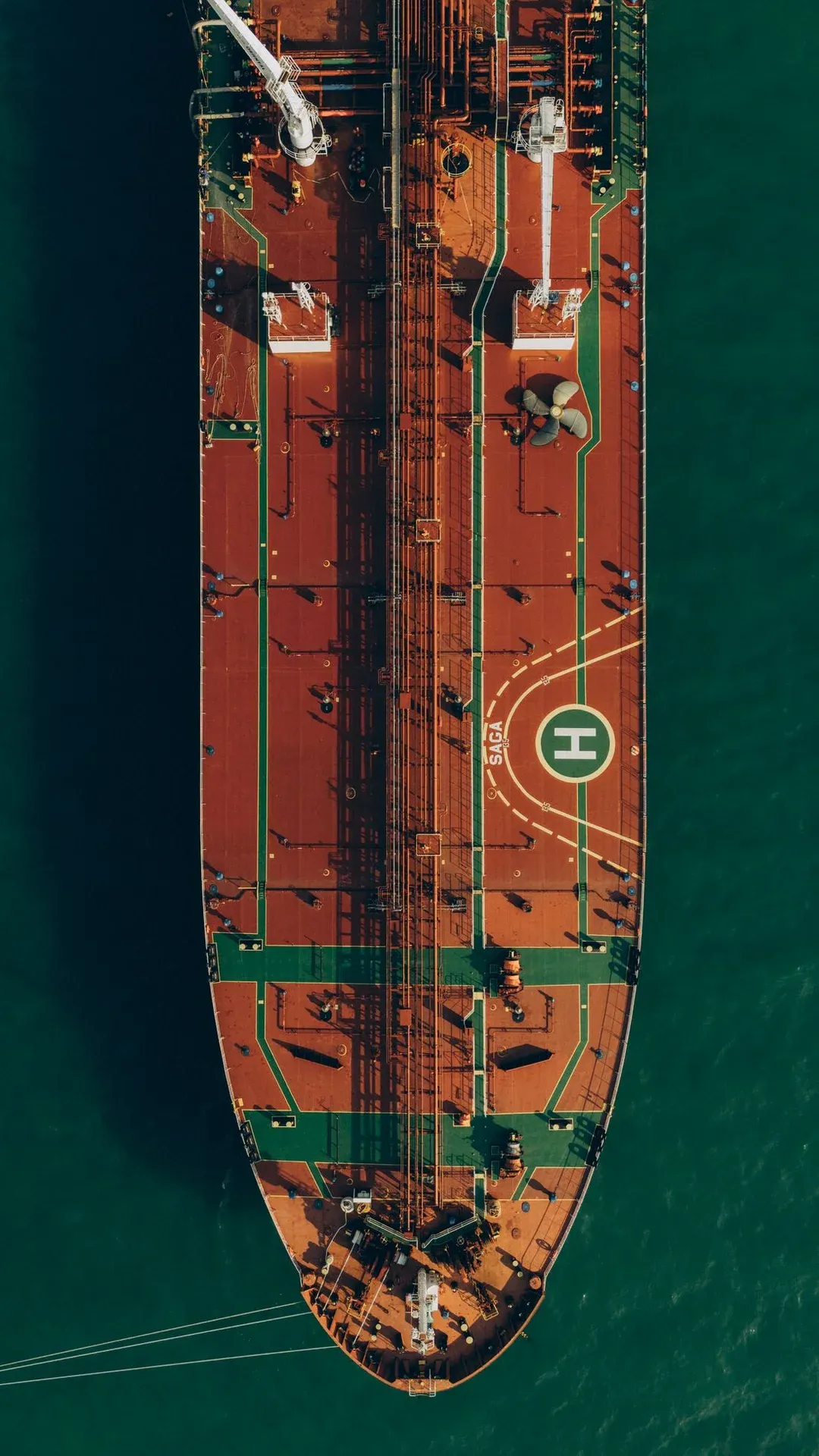
Give us the port, expected arrival and time alongside. We’ll check availability for that call and discuss how the oil can reach the vessel.
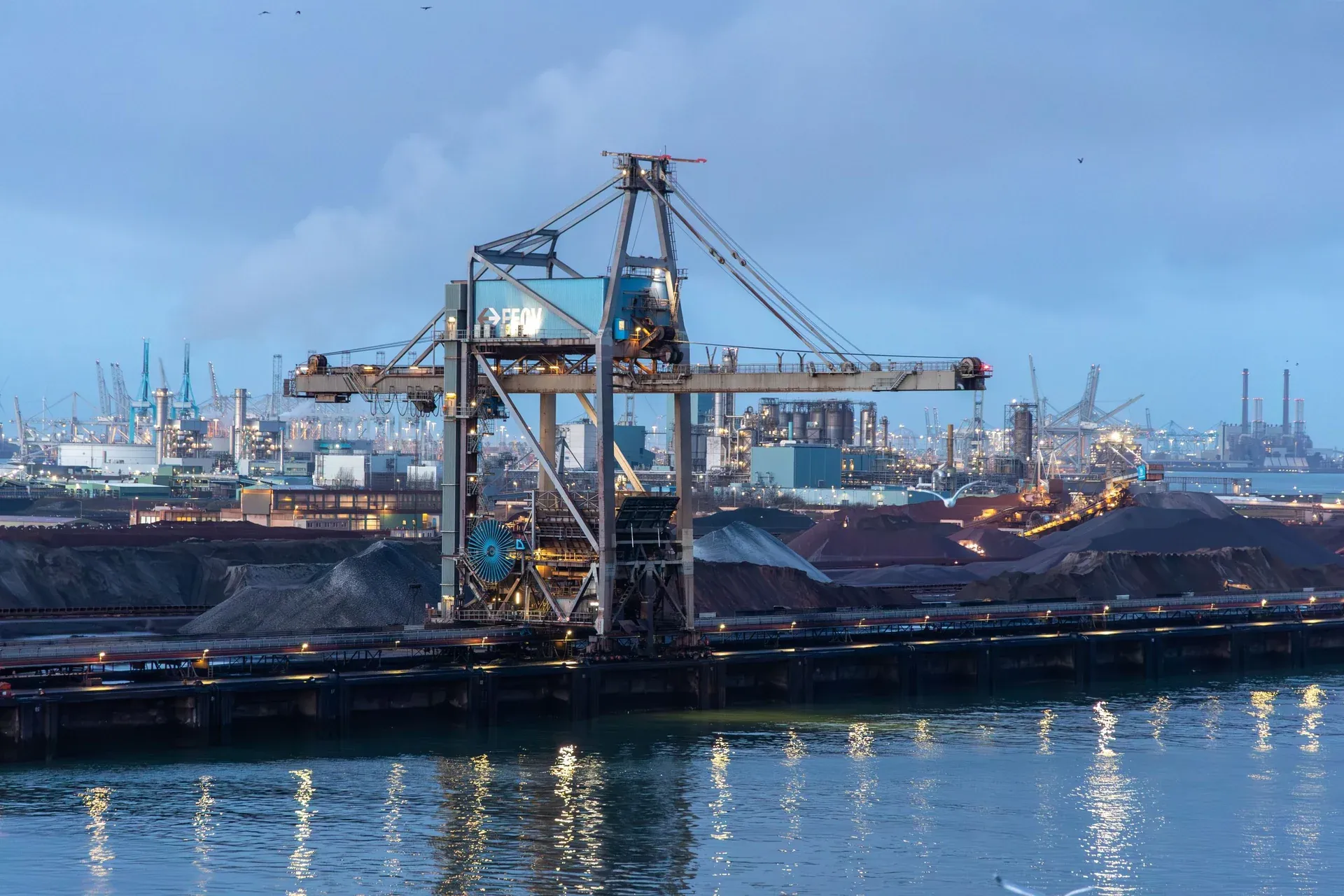
Before a drum reaches the quay, two details matter. Which oil does the machinery need, and when can the vessel take it aboard?
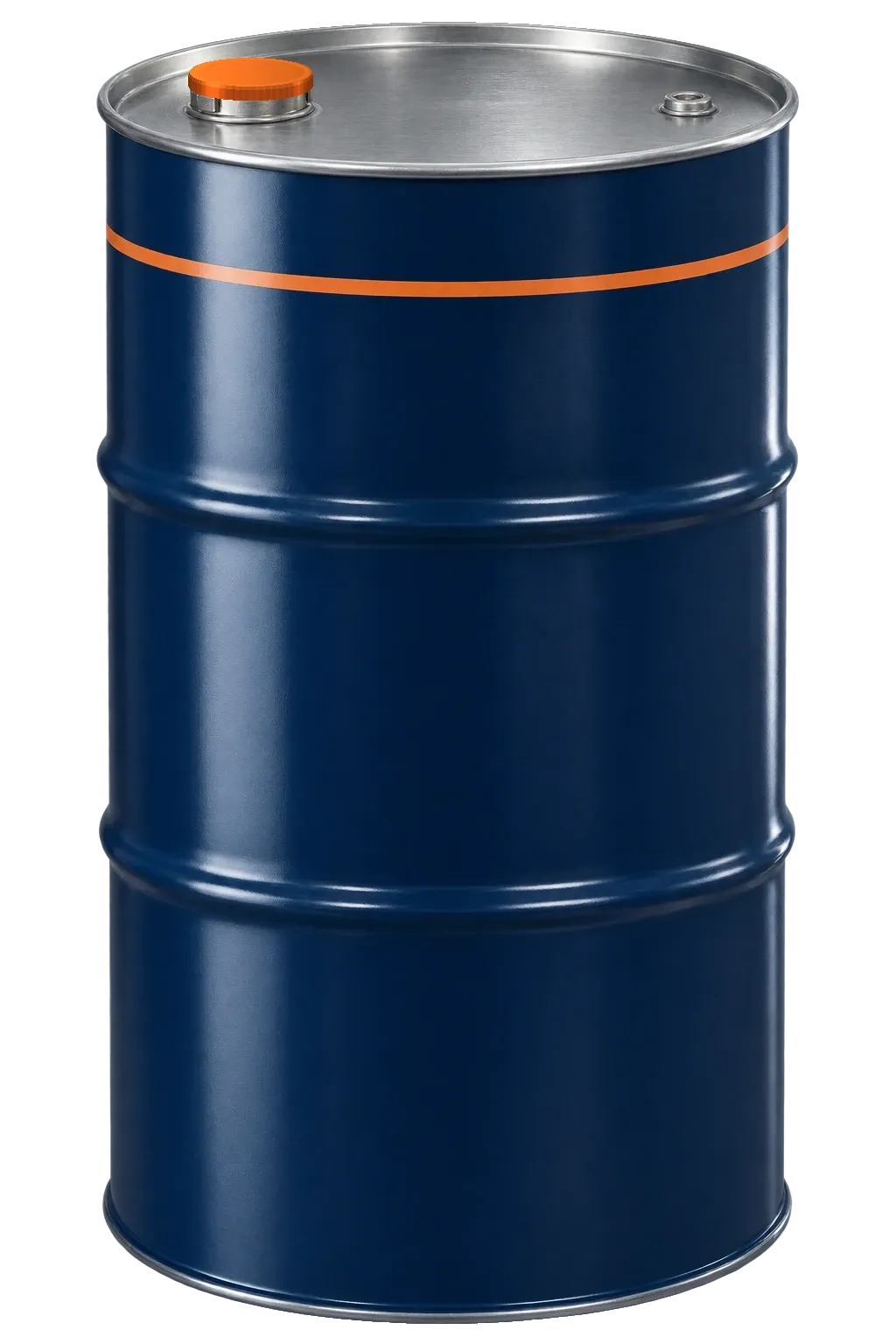
From shoreside preparation to vessel handover. The product name, grade and quantity on the quotation give the buyer and the receiving crew a common record of what is due on board.

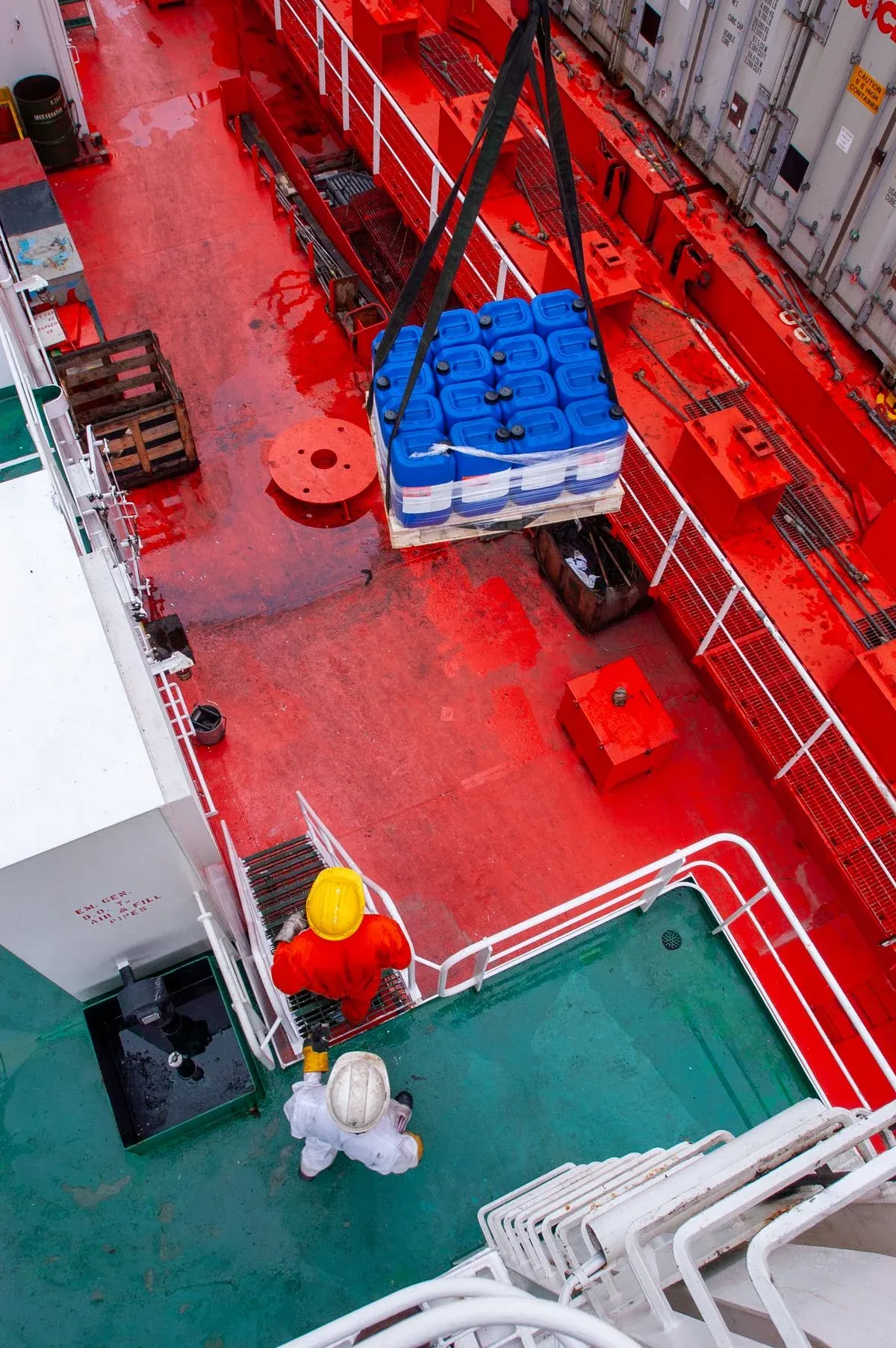
Before a delivery is arranged, the buyer checks the quotation against the vessel’s request. That means matching the product and grade, confirming the quantity and pack size, and sharing the port, berth and expected time alongside.
At handover, the receiving crew can check the drum labels and quantities against the delivery note. Keeping that note with the vessel’s records makes it easier to trace what came aboard at each port call.

Vessel operators, technical managers, purchasing teams and ship agents can send an enquiry. Include a contact who can confirm the machinery requirement and the vessel’s schedule.
You can ask about lubricants for main and auxiliary engines, hydraulic systems, gears and bearings. Give the machinery maker and model, along with the product name or grade the equipment requires.
Send the engine or equipment maker, model and required approval. Request the current approval document for the exact product and grade on the quotation, then check that it covers your application.
Yes. We supply vessels worldwide, including in Turkey and Dubai and at ports in Egypt and elsewhere in Africa. Browse Port Coverage to find ports by region.
You can still send us your port of call. Include the vessel name, ETA, lubricant grade and quantity. We’ll check availability and delivery options for that call.
Send the vessel name, port of call, arrival date, product or specification, quantity and unit. Include the pack size, berth or agent’s details and any required OEM approval if you have them.
Explore our marine oil services, read practical guides for your vessel, or send us the details of your next port call.